Developments in Payment Processing That Facilitate Longer Betting Sessions Across Key Markets
Theo Brooks · Jul 18, 2026
Developments in Payment Processing That Facilitate Longer Betting Sessions Across Key Markets
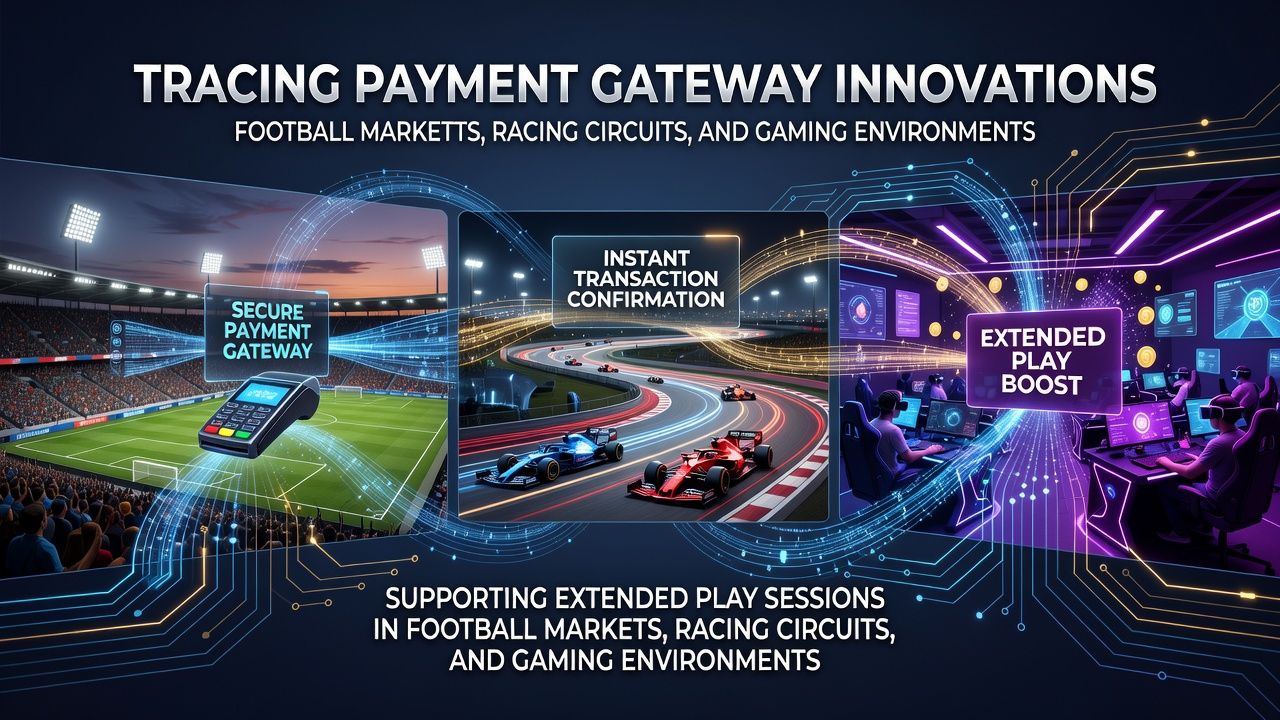
Payment gateway innovations have reshaped how participants engage with football markets, racing circuits, and gaming environments by minimizing transaction delays and supporting continuous activity. These systems integrate APIs that process deposits and withdrawals in seconds, which allows operators to maintain user sessions without interruptions from funding issues. Data from industry reports indicate that platforms adopting these technologies see average session durations increase by 25 to 40 percent in high-traffic periods.
Core Technologies Driving Session Longevity
Real-time settlement protocols stand at the center of these advancements, where instant verification replaces batch processing that once took minutes or hours. Operators connect these gateways to banking networks and digital wallets through standardized interfaces, enabling users to fund accounts while events unfold. Such connections prove especially useful during live football matches when bettors adjust stakes rapidly, or in racing circuits where odds shift between races. Gaming environments benefit similarly as players move between tables or slots without exiting to complete payments.
Tokenization and encryption layers add security layers that build user confidence in repeated transactions, while multi-currency support handles international participants in a single interface. Observers note that these features reduce drop-off rates during peak activity windows, particularly when combined with automated reconciliation that updates balances across systems without manual input.
Application in Football Markets
Football betting platforms rely on gateways that sync with live data feeds to approve wagers within milliseconds of market changes. This capability supports extended sessions by allowing seamless top-ups during matches that stretch into extra time or penalties. Payment processors have introduced features such as recurring deposit schedules that trigger at user-defined intervals, which helps maintain engagement across weekend fixtures or international tournaments. In July 2026 several operators reported heightened activity linked to these tools ahead of major competitions, with transaction volumes rising notably in European and Asian markets.
Application in Racing Circuits
Racing environments demand gateways that accommodate rapid sequences of events where races occur every few minutes. Innovations here include one-click funding options tied to verified accounts and integration with on-track terminals that mirror online systems. Participants can shift funds between win, place, or exotic bets without leaving the platform, which extends participation across full race cards. Reports from North American racing authorities highlight how these processing speeds correlate with higher handle figures during extended meets, as friction from traditional payment methods drops away.
Application in Gaming Environments
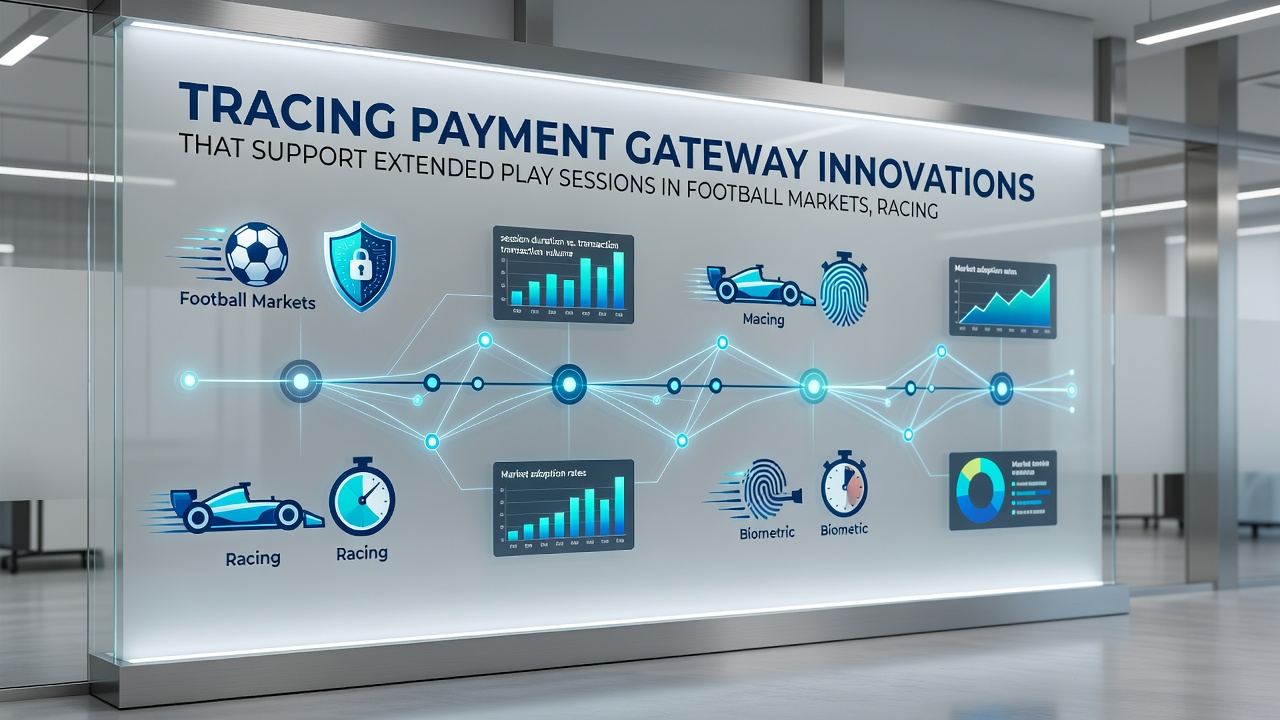
Online gaming platforms use payment gateways equipped with progressive jackpot linkages and bonus crediting mechanisms that activate instantly upon deposit confirmation. These setups allow players to sustain play across multiple game types, from table games to progressive slots, because balance updates occur without page reloads or session resets. European trade groups have documented that sites employing such systems experience lower abandonment rates during promotional windows, while Australian regulatory filings show similar patterns in licensed venues adopting comparable infrastructure. The emphasis remains on latency reduction through edge computing nodes placed near major user clusters.
Regulatory and Infrastructure Context
Global standards bodies and regional regulators have influenced gateway design by requiring audit trails and responsible transaction limits that still preserve session flow. Partnerships between processors and financial institutions have produced hybrid models that blend traditional rails with emerging options such as stablecoin settlements for cross-border users. Research from academic centers in Canada and Singapore demonstrates measurable gains in user retention metrics when these combined systems operate under clear compliance frameworks. The result appears in aggregated industry statistics showing sustained volume growth without corresponding spikes in dispute resolutions.
Conclusion
Payment gateway innovations continue to align technical capabilities with the operational demands of football markets, racing circuits, and gaming environments. Through faster processing, enhanced security, and broader compatibility, these systems support the conditions for extended play sessions while meeting oversight requirements from diverse jurisdictions. Future iterations will likely build on current foundations as transaction volumes scale and user expectations evolve toward even greater seamlessness.