Integrated Payment Networks Drive Recurring Engagement Across Football, Racing, and Casino Betting Platforms
Wendy Wolf · Jun 8, 2026
Integrated Payment Networks Drive Recurring Engagement Across Football, Racing, and Casino Betting Platforms
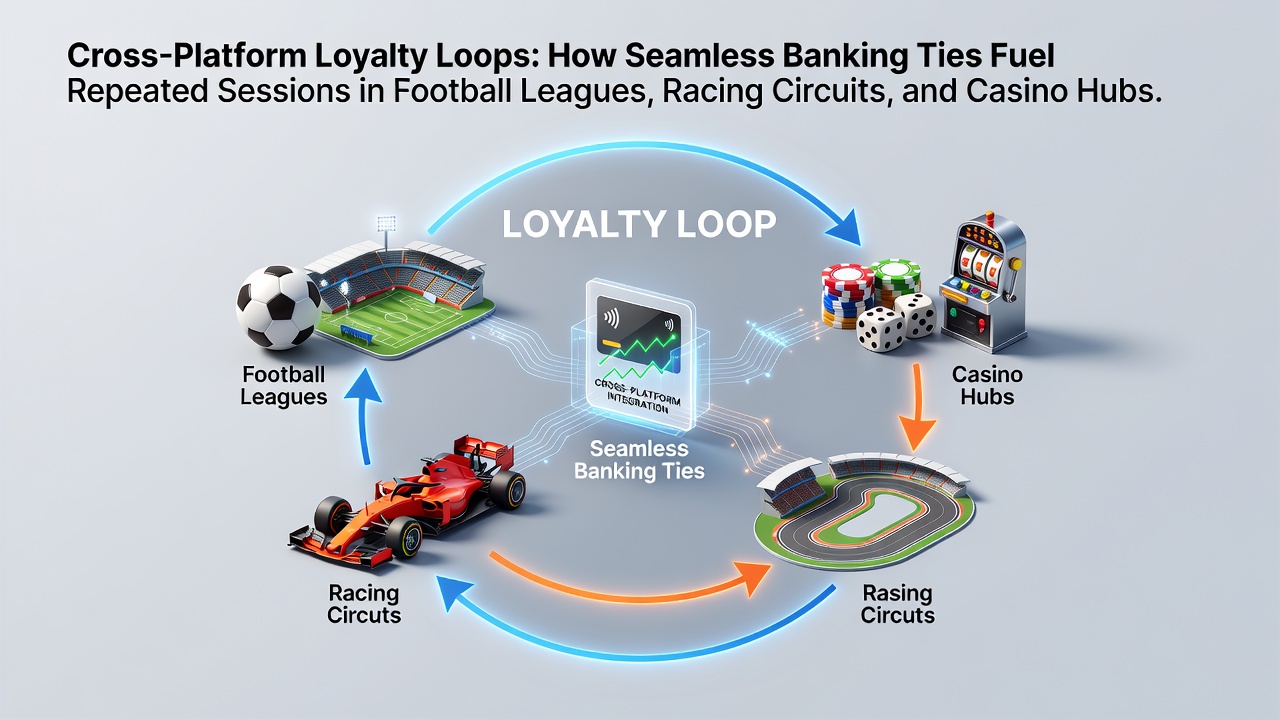
Banking systems now link directly with betting platforms to create continuous user cycles in football leagues, racing circuits, and casino environments, according to industry reports from multiple regions. These connections allow instant transfers between accounts and platforms, which keeps funds accessible and encourages additional sessions without the delays once common in traditional setups. Observers note that when deposits process in seconds and withdrawals clear rapidly, participants often return sooner for the next event or round.
Data from the European Gaming and Betting Association shows growth in cross-platform activity during 2025 and into 2026, with seamless payment options cited as a key factor. Users who maintain balances across football odds, racing wagers, and casino tables experience fewer interruptions, which builds habits around repeated logins. This pattern appears in both mobile apps and desktop interfaces where linked bank details or digital wallets serve as the bridge.
Mechanics Behind Loyalty Cycles in Betting Environments
Payment gateways connect user profiles across different betting categories so that a single deposit supports activity in multiple areas. In football leagues, for instance, live match betting benefits when additional funds move instantly during halftime or injury breaks. Racing circuits see similar patterns between events where quick top-ups allow punters to place follow-up bets on subsequent races without leaving the app. Casino hubs complete the loop by offering continuous table or slot access funded from the same balance.
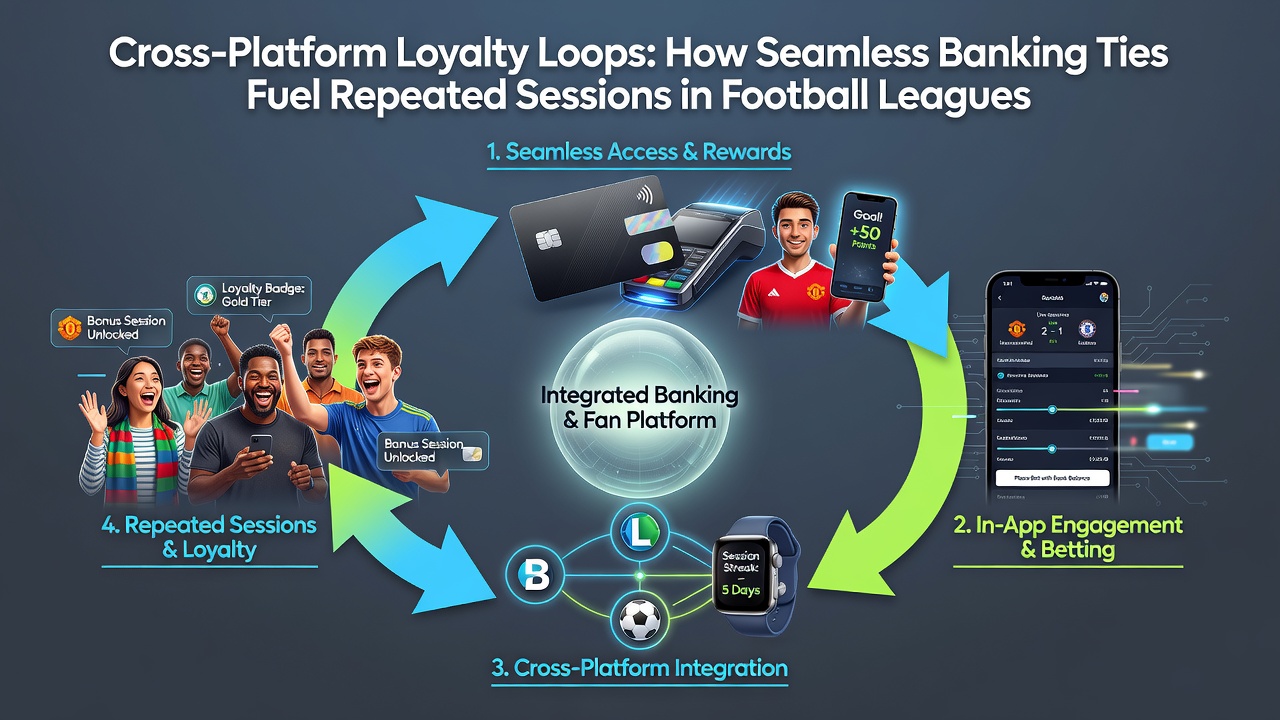
Those who've studied transaction data find that platforms offering unified banking ties report higher session frequency. A single authentication process covers deposits, withdrawals, and loyalty point tracking, which reduces friction. What's interesting is how these systems align with event schedules, such as weekend football fixtures or midweek racing meets, to prompt returns within hours rather than days.
Football Leagues and Instant Transaction Flows
Live football betting relies on real-time funding options that tie into personal banking apps. Participants often move money during matches when odds shift, and systems that complete these steps in under ten seconds maintain momentum. Reports from the Nevada Gaming Control Board highlight similar trends in U.S. markets where sportsbooks integrate with local banks and digital wallets to support extended viewing sessions.
Accumulators and in-play markets gain from this setup because users keep balances active across multiple games. One study from a Canadian research institute found that platforms with seamless banking recorded repeat logins within the same matchday at rates higher than those relying on slower methods. The connection between funding speed and session length becomes clear when comparing data across leagues with packed calendars.
Racing Circuits and Between-Event Banking Links
Horse racing schedules create natural pauses between races that seamless payments help fill. Bettors who receive winnings quickly can redirect funds to the next event without waiting for manual processing. Industry figures from the Australian Communications and Media Authority indicate rising use of instant transfer features during major festivals, where the volume of cross-race activity increases when banking ties operate without interruption.
These loops extend to multi-day meetings where participants maintain funded accounts across thoroughbred and harness events. Observers point out that loyalty programs tied to the same payment network reward consistent activity, which further encourages returns. The result shows up in aggregated transaction logs that track how quickly balances cycle back into new wagers.
Casino Hubs and Continuous Session Support
Casino environments extend these patterns through 24-hour access supported by the same integrated banking tools. Players move between table games and digital slots while maintaining a single balance that updates in real time. Research from academic sources tracking online gaming behavior notes that withdrawal speeds under five minutes correlate with shorter gaps between sessions.
June 2026 marks the rollout of updated digital wallet standards in several jurisdictions, which further streamlines these connections. Platforms adopting the new protocols allow loyalty points earned in one area, such as football betting, to apply toward casino rewards without separate transfers. This unified approach keeps users within the ecosystem rather than seeking external options.
Cross-Platform Data Patterns and User Retention
Aggregated reports reveal that users engaging across all three areas, football, racing, and casino, show the strongest retention when banking remains frictionless. One analysis from a European research consortium tracked account activity over six months and found shorter return intervals among those with linked payment methods. The pattern holds across different regulatory frameworks because the underlying transaction speed drives the behavior.
Payment providers and betting operators continue to refine APIs that connect accounts directly. These improvements reduce the steps required to move funds, which in turn supports longer overall engagement periods. Figures from various trade associations confirm that platforms prioritizing these integrations see measurable lifts in repeat visits during peak seasons.
Conclusion
Banking integrations now form the backbone of recurring activity across football leagues, racing circuits, and casino hubs by removing traditional barriers to continued play. The data consistently shows that faster transaction flows align with higher session frequency, regardless of the specific sport or game type. As payment networks evolve through 2026, these loyalty loops appear set to strengthen further through expanded digital connections and unified reward systems.