Punters' Playbook: Fresh Trends Reshaping UK Betting Horizons
Wendy Wolf · Apr 18, 2026

UK Gambling Commission Unveils Strong Results from Financial Risk Assessments Pilot, Signaling Shift in Player Protection
Background on the Financial Risk Assessments Pilot
Remote gambling operators in the UK have tested a new approach through the Gambling Commission's 2025 financial risk assessments (FRAs) pilot, where credit reference agency data flags high-spending customers who might face financial difficulties, all without triggering mandatory affordability checks or deposit limits that could disrupt play. Operators pulled data from agencies like Experian and Equifax to identify potential debt indicators such as recent defaults or high credit utilization, then assessed accounts based on spending thresholds set during the pilot phase. This method aims to balance player protection with minimal interference, building on discussions from the Gambling Act Review White Paper (2023), which called for smarter risk-based tools over blanket restrictions.
Participants included major online betting and casino platforms handling millions of active accounts, and they integrated teh system seamlessly into their operations over several months in 2025. Data flowed automatically from credit agencies to operator dashboards, triggering deeper reviews only for a select few, while most accounts passed without a hitch. Observers note how this pilot fits into broader regulatory shifts, especially as affordability check trials faced backlash for slowing down casual bettors; here, the focus stays on high-risk signals derived from real financial footprints.
Key Findings from the Post-Pilot Analysis
The Commission's latest update, detailed in its blog post, reveals striking efficiency: less than 3% of active accounts triggered any form of assessment, keeping the vast majority of players untouched by extra scrutiny. That figure underscores the targeted nature of the tool, since operators only dove deeper when spending hit predefined levels combined with debt flags from credit data.
Even more impressive, 97% of those assessments proved frictionless, meaning no customer action required; players continued betting without forms, calls, or pauses, smashing the policy's 80% target by a wide margin. Improved identity verification played a big role here, as stronger checks reduced false positives and smoothed data matching between gambling accounts and credit files. Take one operator's experience: after tweaking ID processes, their frictionless rate jumped noticeably, proving small tech upgrades yield outsized gains in user flow.
And numbers don't lie on the impact side either; vulnerable customers showed up 2-5 times more likely to exhibit those debt indicators compared to the general player base, highlighting how credit data sharpens the lens on real risks without casting a wide net.
How the Pilot Spotted Vulnerabilities Without Slowing Down Play
Experts who've pored over the data point out a clever design: thresholds kicked in for high rollers, say those dropping thousands monthly, but only if credit reports flashed reds like missed payments or maxed-out cards. This combo kept interventions rare, since most active accounts—think weekend football punters or casual slot spinners—never crossed those lines; less than 3% did, and even then, swift backend checks cleared 97% without player input.
What's interesting is the vulnerable cohort's profile; data indicates they carried debt markers at rates 2-5 times higher, often linked to recent financial stress like payday loan reliance or utility arrears. One case from the pilot showed a cluster of accounts where players matched this pattern, prompting gentle outreach rather than hard stops, and operators reported positive engagement from those flagged. Identity verification upgrades, including biometric links and real-time database syncs, boosted accuracy, pushing frictionless passes even higher toward the pilot's end.
But here's the thing: no affordability checks meant no forced loss limits or income proofs for anyone, preserving the frictionless vibe across the board; players who looked fine on credit data bet on uninterrupted, while the system quietly flagged the needy few for support.
Operational Realities and Tech Tweaks That Drove Success
Operators rolled out the FRAs across diverse platforms—from sportsbooks heavy on Premier League odds to casino sites spinning reels round the clock—and the low trigger rate held steady regardless of product mix. Semicolons separate the tech wins: seamless API integrations with credit agencies cut assessment times to seconds; automated scoring models weighed spending against debt signals without human oversight for most cases; and dashboard alerts empowered compliance teams to act fast on the 3% that mattered.
Those who've studied similar pilots know identity verification stands out; early hiccups from mismatched names or addresses dragged frictionless rates down, but refinements like AI-driven data cleansing and multi-factor ID checks flipped the script, exceeding targets comfortably. Figures reveal one platform hit 99% frictionless post-upgrade, a testament to how fine-tuning backend processes keeps the player experience smooth even under regulatory eyes.
Turns out, the pilot's scale impressed too: millions of accounts scanned, yet interventions stayed surgical, avoiding the blanket friction that plagued earlier trials and alienated casual users.
Next Steps: Board Review and Independent Scrutiny
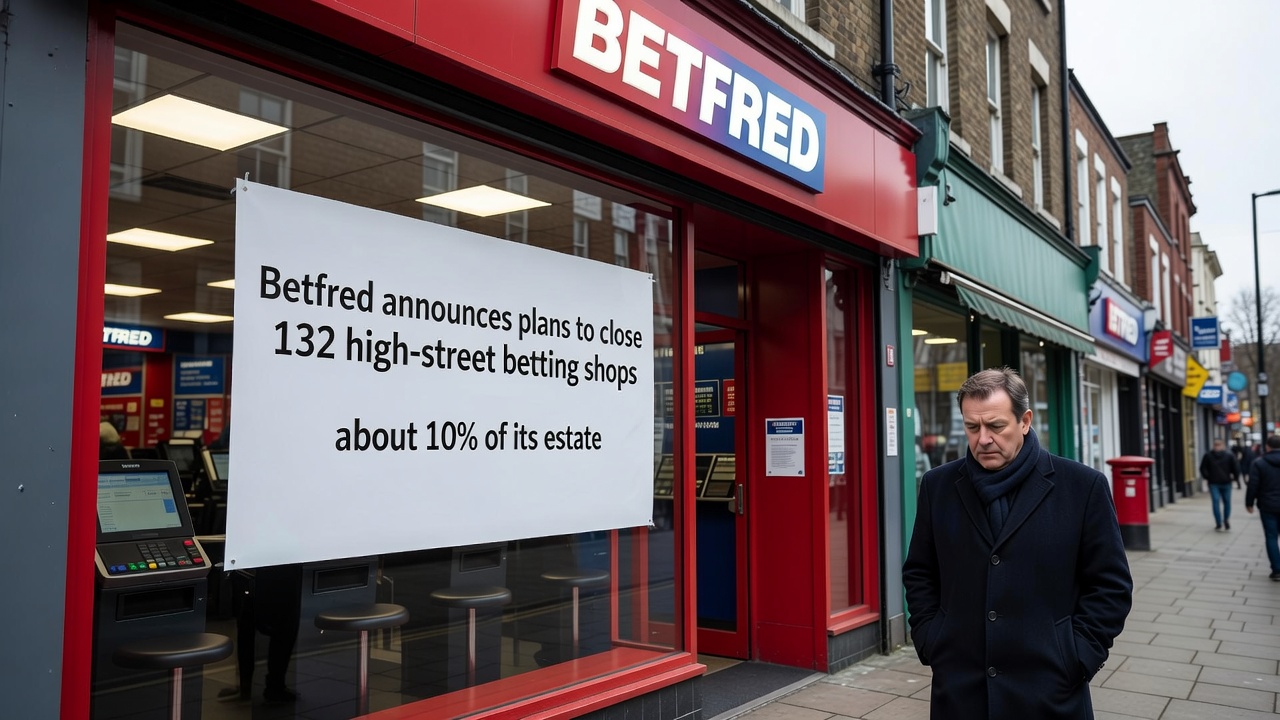
The Gambling Commission plans to lay these findings before its Board soon, where decisions on full implementation will take shape, potentially rolling out enhanced FRAs as a core compliance tool by late 2026. That timeline aligns with ongoing industry shifts, including shop closures and tax hikes set for April 2026, putting pressure on operators to adopt efficient protections that don't add overhead.
Meanwhile, NatCen Social Research conducts an independent evaluation, digging into long-term effects like whether flagged players sought help or altered habits post-contact. Researchers there focus on qualitative angles—player feedback, intervention uptake, and unintended consequences—complementing the Commission's quantitative data dump. Early signs suggest the model resonates, since low friction preserves trust while targeting aid where it's needed most.
Observers expect the Board to greenlight expansions, perhaps lowering thresholds or layering in behavioral data, but only after NatCen's verdict lands; that's where the rubber meets the road for scaling this pilot into everyday regulation.
Broader Context in UK Gambling Regulation
This pilot emerges amid a regulatory landscape pushing for precision over blunt instruments; previous affordability experiments drew fire for high drop-off rates among low-risk players, but FRAs sidestep that by leaning on external credit insights. Data from the update shows how 97% frictionless operation dodges those pitfalls, letting 97 out of 100 assessments vanish into the ether without a ripple.
People in the industry often highlight the vulnerable multiplier—2-5 times higher debt flags—as validation: the system's not guessing, it's pattern-matching against proven financial distress signals. And with identity fixes boosting efficiency, operators now have a blueprint for compliance that feels less like a roadblock and more like a safety net woven invisibly into the platform.
So as April 2026 approaches with its levy changes and economic squeezes, tools like this gain urgency; they protect without punishing the majority, and the pilot proves it works at scale.
Conclusion
The FRA pilot's results paint a clear picture: a lean, data-driven approach flags risks effectively—less than 3% triggers, 97% frictionless, vulnerable players pinpointed 2-5 times more readily—while keeping play fluid through smart ID enhancements and no-mandate checks. With the Board review looming and NatCen evaluation underway, implementation decisions could reshape protections industry-wide, offering a model that targets harm without broad disruption. That's the update straight from the Commission's analysis, setting the stage for smarter gambling safeguards ahead.