Scotland's Betting Sector Advances Through Digital Expansion and Heightened Regulatory Oversight in 2026
Ulrich Schmidt · Jun 1, 2026

Scotland's Betting Sector Advances Through Digital Expansion and Heightened Regulatory Oversight in 2026
Scotland's betting sector operates inside the United Kingdom's established regulatory structure, where continued expansion in digital and mobile wagering appears most pronounced in football-related markets, while authorities direct increased attention toward consumer protection measures, affordability checks, advertising standards, and harm reduction strategies throughout 2026, and operators adjust operations to align with stricter requirements issued by the UK Gambling Commission alongside wider UK reforms.
Digital and Mobile Wagering Trends Take Center Stage
Figures reveal steady increases in online betting activity across Scotland, with mobile platforms driving much of the volume in football markets where users place wagers on matches, player performances, and live events through apps that deliver real-time updates and seamless transaction flows, and data on online gross gambling yield for the period covering April 2024 through March 2025 shows this channel maintaining upward momentum even as overall market conditions evolve under tighter oversight.
Those who track industry patterns note that football accounts for a significant share of digital activity, since bettors access promotions, statistics, and instant betting options directly from their devices, and the shift supports operators who invest in technology that meets both user expectations and emerging compliance demands.
Regulatory Pressure Intensifies on Protection and Harm Reduction
The UK Gambling Commission has advanced rules that emphasize affordability assessments, limits on advertising reach, and proactive steps to reduce gambling-related harm, and these measures apply uniformly across Scotland's licensed operators who must demonstrate adherence through updated policies and reporting mechanisms, while broader UK reforms introduce additional layers of accountability that affect how firms market services and interact with customers.
Observers note that consumer protection now includes mandatory checks on spending patterns and clearer disclosures about potential risks, and operators respond by integrating tools that help users set personal limits before problems escalate, and this approach aligns with the regulatory goal of balancing market growth with responsible practices.
Operators Adapt Business Models to Meet New Standards
Companies active in Scotland's betting space implement changes that range from enhanced verification systems to revised advertising campaigns that comply with the latest guidelines, and these adjustments allow firms to maintain operations while addressing the Commission's focus on transparency and player safeguards, and the process involves collaboration with regulators to ensure new features such as deposit controls and self-exclusion options function effectively across digital platforms.
Evidence indicates that adaptation extends to product offerings, where operators refine football betting interfaces to include clearer risk information alongside mobile convenience, and this evolution occurs against the backdrop of UK-wide policy updates that continue to shape licensing conditions and operational expectations.
Retail Betting Shops Maintain Presence Amid Broader Online Shift
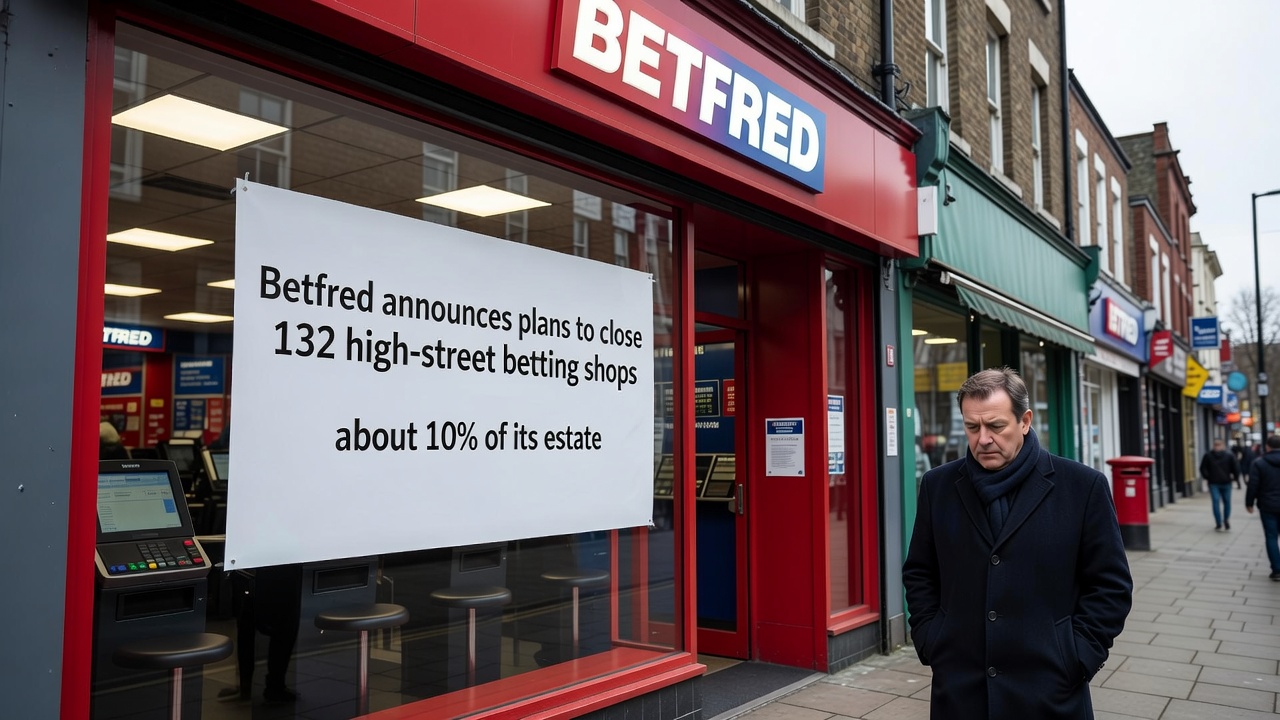
Physical betting locations across Scotland continue to serve customers who prefer in-person transactions and social environments, yet the overall market trajectory points toward greater reliance on digital channels that offer extended hours and wider betting selections, and this dual structure allows the sector to accommodate different user preferences while the regulatory framework applies consistent standards to both retail and remote operations.
Reports show that shop operators invest in technology upgrades that connect physical sites with online systems, and this integration supports compliance efforts by enabling unified monitoring of customer activity across formats, and the persistence of retail outlets provides a counterbalance to the digital surge without halting the movement toward mobile-first wagering.
Football Markets Drive Much of the Observed Digital Growth
Football-related betting dominates mobile activity in Scotland, where users engage with domestic leagues, European competitions, and international fixtures through features that include live odds updates and cash-out options, and operators report that these products attract consistent participation even as affordability tools become standard requirements under the updated rules, and the combination of engaging content with protective measures represents the current operational reality for licensed firms.
Data from the referenced period highlights how football wagering volumes contribute to overall online gross gambling yield, and this segment benefits from mobile accessibility that lets bettors participate during matches without needing to visit physical locations, and regulators monitor these trends to ensure advertising and promotional activities remain within permitted boundaries.
Conclusion
Scotland's betting sector demonstrates how digital transformation and regulatory refinement proceed together in 2026, with mobile football wagering expanding inside a framework that prioritizes consumer protection, affordability, and harm reduction, and operators continue to modify practices in response to UK Gambling Commission directives while retail shops retain a role alongside the online transition, and these developments reflect the ongoing implementation of UK reforms across the licensed market. Source data