Sequenced Incentives: How Reward Timing Influences Activity in Matches, Races, and Spins
Ulrich Schmidt · Jun 4, 2026
Sequenced Incentives: How Reward Timing Influences Activity in Matches, Races, and Spins
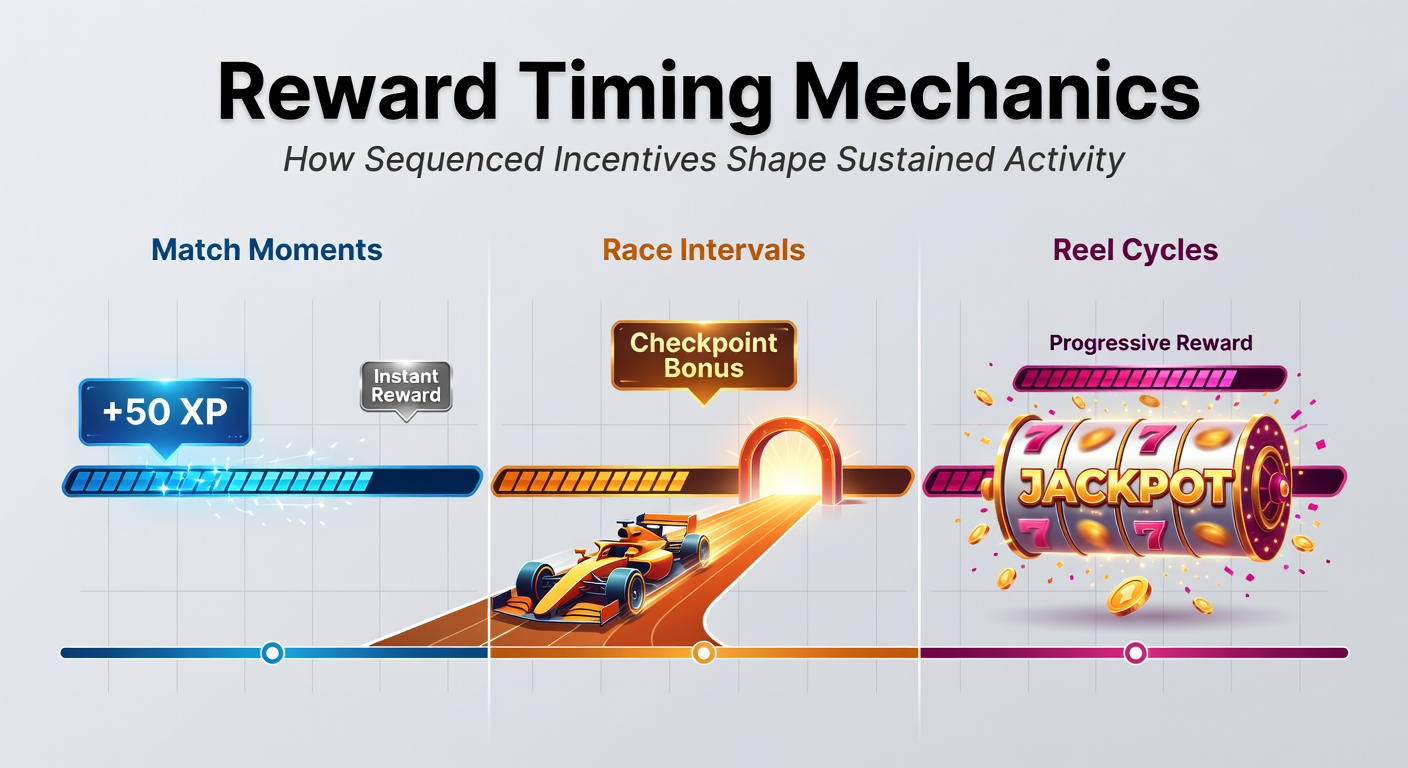
Operators structure rewards in sequences that align with specific event timings, and this approach connects directly to patterns of continued participation across different betting formats. Data from industry reports indicate that incentives delivered at key intervals correspond with measurable extensions in user sessions, particularly when those intervals match the natural rhythm of the activity itself.
Core Mechanics of Reward Sequencing
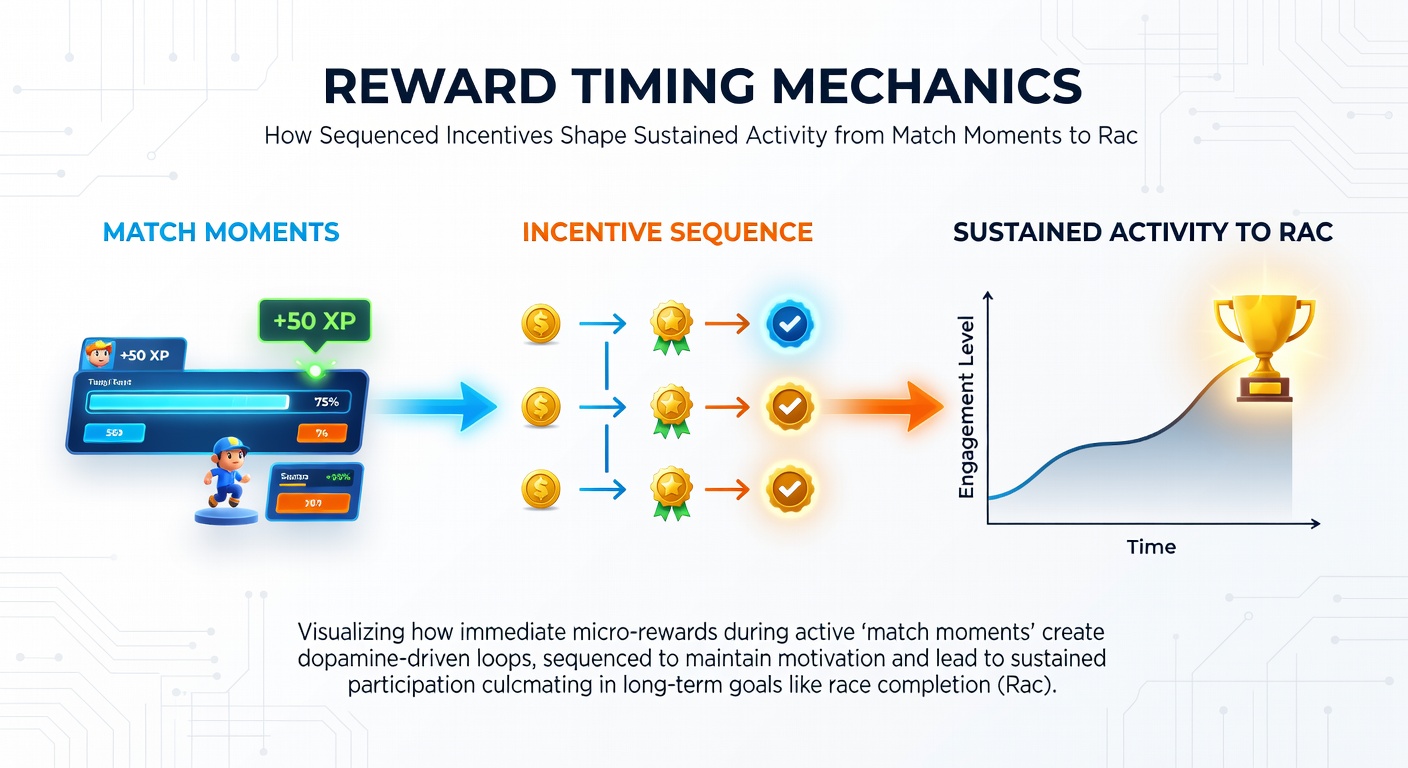
Sequenced incentives operate through staggered delivery points where each reward builds on the previous one, and researchers tracking player data have noted correlations between these structures and session length. Studies from academic institutions such as the University of Nevada, Reno's gaming research center show that timing rewards to coincide with match milestones, race segments, or spin outcomes produces sustained engagement metrics that differ from flat bonus distributions.
Operators deploy these sequences through mobile platforms where real-time triggers activate the next layer of the incentive, and figures from the European Gaming and Betting Association reveal that integration of live event data with reward systems accounts for a substantial portion of repeat activity in regulated markets. The sequencing avoids random distribution, instead anchoring each step to observable progress points within the event.
Application During Soccer Match Moments
In soccer, reward sequences often activate at half-time breaks, goal events, or final whistle stages, and operators link these to deposit matches or free bet credits that unlock only after the prior stage completes. Platform analytics indicate users maintain activity through additional match periods when the next incentive tier appears immediately after a defined moment, such as the 45-minute mark or injury time announcements.
Payment integrations facilitate instant crediting at these points, and data compiled by the Canadian Gaming Association demonstrates that live betting volumes rise when sequenced promotions align with in-game clock intervals rather than fixed calendar times. This alignment allows participants to transition from one reward stage to the next without leaving the session interface.
Patterns Across Race Intervals
Horse racing presents distinct interval opportunities where sequenced incentives trigger between race starts, post-race results, and upcoming event announcements, and industry tracking shows these placements extend participation across multiple races on the same card. Systems record higher retention when rewards such as cashback or stake boosts become available precisely at the interval between the fourth and fifth race, for example.
Operators coordinate these with track schedules published in advance, and reports from the Australian Institute of Family Studies on gambling behaviors note that interval-based sequencing correlates with longer dwell times at racing platforms compared with non-timed alternatives. Mobile apps push notifications at these exact windows, prompting continued wagers while the sequence remains active.
Reel Cycle Structures in Casino Play
Slot and table game environments apply sequencing to reel cycles through progressive multipliers or bonus round unlocks that activate after predetermined spin counts or win thresholds, and operators measure these against average session spin volumes. Research compiled by the Responsible Gambling Council in Canada indicates that cycle-timed incentives produce steadier participation rates than one-time bonuses distributed without reference to spin progression.
Reel cycles allow for micro-sequences where each completed set of spins unlocks the subsequent reward layer, and platform logs show users frequently extend sessions to reach the next cycle milestone. This mechanic integrates with live dealer feeds and virtual reel updates, maintaining continuity across what would otherwise appear as discrete game rounds.
Cross-Format Timing Observations in 2026
By June 2026, platform updates across multiple operators have incorporated unified sequencing engines that apply consistent timing rules to soccer, racing, and casino products simultaneously, and aggregate data from trade associations show session overlap increasing under these unified systems. The approach allows a user finishing a soccer match sequence to receive prompts that transition directly into a racing interval reward without resetting the incentive chain.
Regulatory filings and operator disclosures confirm that these cross-format sequences rely on shared user accounts and synchronized clocks, and external analyses from the National Council on Problem Gambling in the United States highlight measurable differences in activity duration when timing aligns across product types rather than operating in isolation.
Conclusion
Sequenced incentive structures continue to evolve through alignment with event-specific timings, and available data from multiple jurisdictions demonstrate consistent associations with extended activity across matches, races, and reel cycles. Operators refine these mechanics based on performance metrics that track progression through each stage of the sequence, while regulatory environments monitor their implementation for compliance with responsible gaming standards.