Tax Increases Prompt Betfred to Shut Down Dozens of High Street Betting Locations
Theo Brooks · Aug 6, 2026

Tax Increases Prompt Betfred to Shut Down Dozens of High Street Betting Locations
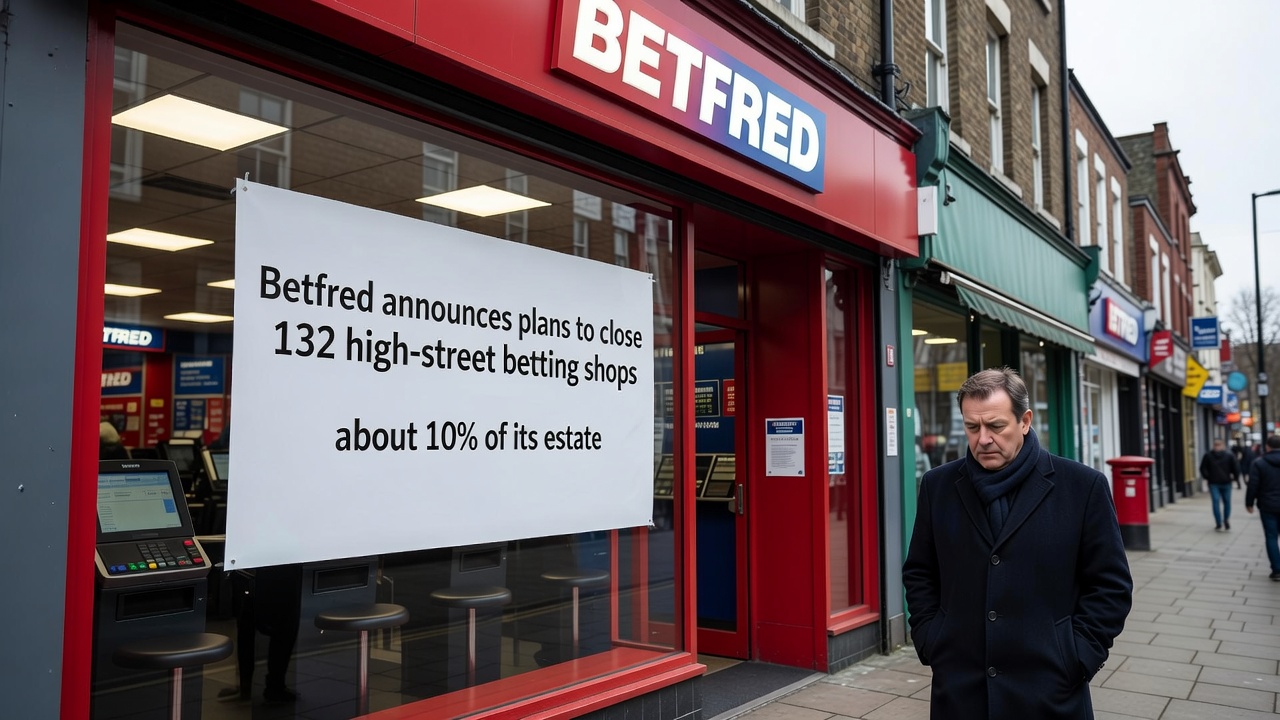
Betfred has announced plans to close 132 high-street betting shops, which represents around 10 percent of its total estate, while cutting more than 600 jobs in the process. The company attributes these decisions directly to rising taxes including hikes in Remote Gaming Duty along with increases in employer National Insurance contributions and broader economic pressures that have rendered multiple sites unviable.
Observers note that the closures come at a time when regulated operators face mounting cost pressures across the sector. Data from industry reports shows these factors combine to squeeze margins on physical locations where footfall has already declined in recent years.
Details of the Announced Reductions
The specific cuts target shops across various regions in the United Kingdom where operating costs have outpaced revenue in a sustained way. Company statements indicate that each affected location underwent individual viability assessments before the decisions were finalized and staff notifications began.
Those familiar with the process point out that the job losses extend beyond retail roles to include support functions tied to the closed outlets. Affected employees will receive redundancy packages and access to redeployment options where positions remain available at other Betfred sites.
Industry Group Response and Sector Context
The Betting and Gaming Council described the move as direct evidence of the negative impacts from recent government tax rises on the regulated betting industry. Representatives from the group warned that further closures and job losses could follow while high-street presence diminishes and activity shifts toward the unregulated black market.
According to statements released by the council, operators continue to highlight how cumulative tax changes affect both online and land-based segments. Figures released alongside the announcement show Betfred operates hundreds of remaining locations that the company intends to maintain through ongoing efficiency measures.
What's interesting here is how the announcement aligns with similar actions reported by other major operators facing identical cost structures. Researchers tracking the sector have documented parallel reductions in physical footprints as firms adapt to the current tax environment.
Broader Economic Factors at Play
Economic pressures cited in the announcement include inflation-driven increases in rent, utilities, and wages that compound the tax effects. Betfred emphasized that these combined elements have made continued operation of the selected sites unsustainable without significant changes to the cost base.
Analysts examining the situation note that Remote Gaming Duty adjustments apply primarily to online activities yet still influence overall group finances for companies with mixed retail and digital operations. The interplay between these duties and employer National Insurance rises creates layered challenges for businesses maintaining both channels.
Potential Market Shifts and Regulatory Landscape
Industry organizations have pointed to risks of growth in unregulated betting markets as customers seek alternatives when high-street options contract. The Betting and Gaming Council has referenced data indicating that tax-driven contractions can accelerate movement toward offshore platforms operating outside UK oversight.
Those who've studied these patterns observe that reduced high-street visibility may also affect responsible gambling interactions that occur in person at licensed premises. Government agencies in other regions such as the Australian Communications and Media Authority have published comparable findings on how regulatory costs influence operator footprints.
Betfred stated that it will continue to invest in its remaining retail network and digital platforms while monitoring conditions that could support future stability. The company plans to communicate directly with local communities and staff throughout the implementation phase which begins in the coming months.
Conclusion
The Betfred announcement illustrates how tax policy changes and economic conditions intersect to reshape the physical presence of regulated betting operators in the United Kingdom. As the sector adjusts, stakeholders including the Betting and Gaming Council continue to track outcomes for employment levels and market balance between licensed and unlicensed activities.
Further updates are expected as the closure program progresses and affected parties respond to the evolving landscape.