UK Gambling Commission Rolls Out Sweeping Reforms for April 2026: Affordability Checks, Bonus Bans, Slot Limits, and Tax Hikes Reshape Sports Betting
Mia Hoffmann · Apr 4, 2026

UK Gambling Commission Rolls Out Sweeping Reforms for April 2026: Affordability Checks, Bonus Bans, Slot Limits, and Tax Hikes Reshape Sports Betting
The Reforms Take Shape Ahead of April 2026
Operators in the UK betting scene prepare for a seismic shift as the UK Gambling Commission enforces major regulatory reforms starting April 2026, introducing affordability checks that scrutinize player spending habits in real time, a outright ban on mixed-product bonuses which previously bundled slots with sports bets, strict stake limits capping online slots at lower amounts per spin, and notable tax increases on Remote Gaming Duty alongside General Betting Duty; these measures, designed to curb problem gambling while preserving the thrill of entertainment, already prompt sportsbooks to tweak odds structures, dial back promotional offers, and bolster consumer protections across football matches, horse races, and beyond.
What's interesting here surfaces in how these changes cascade through everyday punting, where affordability checks demand operators verify financial viability before allowing higher stakes, effectively slowing down deposit frenzies during live Premier League action or Cheltenham Festival sprints, yet ensuring players don't chase losses into deeper waters; observers note that stake limits on slots, set to mirror protections already in place for land-based machines, spill over into sports betting by forcing hybrid platforms to segment offerings more sharply, while tax hikes—projected to squeeze margins—push bookies toward leaner operations without passing every cost directly to bettors through inflated odds.
And so the landscape evolves, with regulators balancing the £14 billion gross gambling yield from recent quarters against rising concerns over addiction rates that data shows affect around 0.5% of adults severely, although participation holds steady at about 47% among men; those who've tracked prior reforms, like the 2023 stake cap trials, often discover operators adapt swiftly by enhancing self-exclusion tools and frictionless verification processes that keep the game flowing safely.
Affordability Checks: The New Gatekeeper for Player Spending
Central to the April 2026 rollout, affordability checks require gambling firms to assess whether punters can truly handle their wagers based on income data, credit histories, and spending patterns, prompting interactive prompts during sessions on soccer accumulators or greyhound derbies where deposits exceed predefined thresholds; this isn't just a checkbox—operators must pause accounts if red flags appear, like rapid escalations during a tense World Cup qualifier, thereby promoting data-driven decisions that research indicates reduce financial harm by up to 30% in trial programs.
Take one operator who tested similar systems early: they reported a 15% drop in high-risk deposits yet retained 90% of casual users through clearer messaging and alternative low-stake markets; but here's the thing, sports bettors—accustomed to quick in-play flutters on Arsenal vs. Manchester City—might notice slight delays in funding, although seamless integrations with bank APIs promise to minimize friction, turning potential annoyance into a subtle safeguard that experts observe fosters longer-term engagement without teh pitfalls of unchecked spending.
Figures reveal that problem gambling concerns spiked post-pandemic, with helplines logging 50,000 calls annually, so these checks, layered with mandatory loss caps for younger players, aim to intercept issues before they snowball, especially in volatile sports like boxing or tennis where momentum swings tempt aggressive staking.
Ban on Mixed-Product Bonuses: Cleaner Promotions Ahead
Out go the flashy deals blending free spins with football free bets, as the ban severs ties between slots and sports under one bonus umbrella, forcing operators to craft standalone offers that don't lure slots punters into sportsbooks or vice versa; this shift, effective April 2026, streamlines compliance while data shows it cuts cross-product addiction pathways that studies link to 20% higher retention in risky behaviors.
People who've navigated bonus terms often find the old mixed deals confusing anyway—wagering requirements tangled across games like roulette and rugby unions—so purer promotions, say 100% matches solely for Premier League odds, could sharpen value for dedicated sports fans; operators respond by ramping up targeted perks, such as enhanced odds on EFL matches or cashback on horse racing multiples, keeping the competitive edge alive amid tighter rules.
Yet the reality is these curbs address lobbying from consumer groups highlighting how bundled bonuses masked slot volatility behind sports familiarity, particularly for novices dipping into online platforms during major events like the Grand National.
Stake Limits on Online Slots and Ripple Effects on Sports
Online slots face velocity caps at £2 per spin for most players, with premium tiers requiring proof of disposable income, a move mirroring land-based limits that trials showed slashed session losses by 40%; although primarily targeting slots, this influences sports betting platforms hosting casino hybrids, where operators segregate lobbies to avoid spillover stake temptations during live streams of Wimbledon or snooker frames.
Here's where it gets interesting for turf enthusiasts: bookies, facing unified compliance costs, adjust sports odds marginally tighter—say 2-5% on over/unders in cricket Tests—yet counter with richer liquidity in exchange markets, drawing savvy punters who thrive on matched betting without the house edge; one study from early adopters revealed 25% more players opting for virtual sports as slot alternatives, blending football simulations with regulated fun.
And while slots take the direct hit, enhanced age and ID verifications across sites fortify sportsbooks against under-25 excesses, where data indicates 10% gamble weekly at risky levels.
Tax Increases: Remote Gaming Duty and General Betting Duty Climb
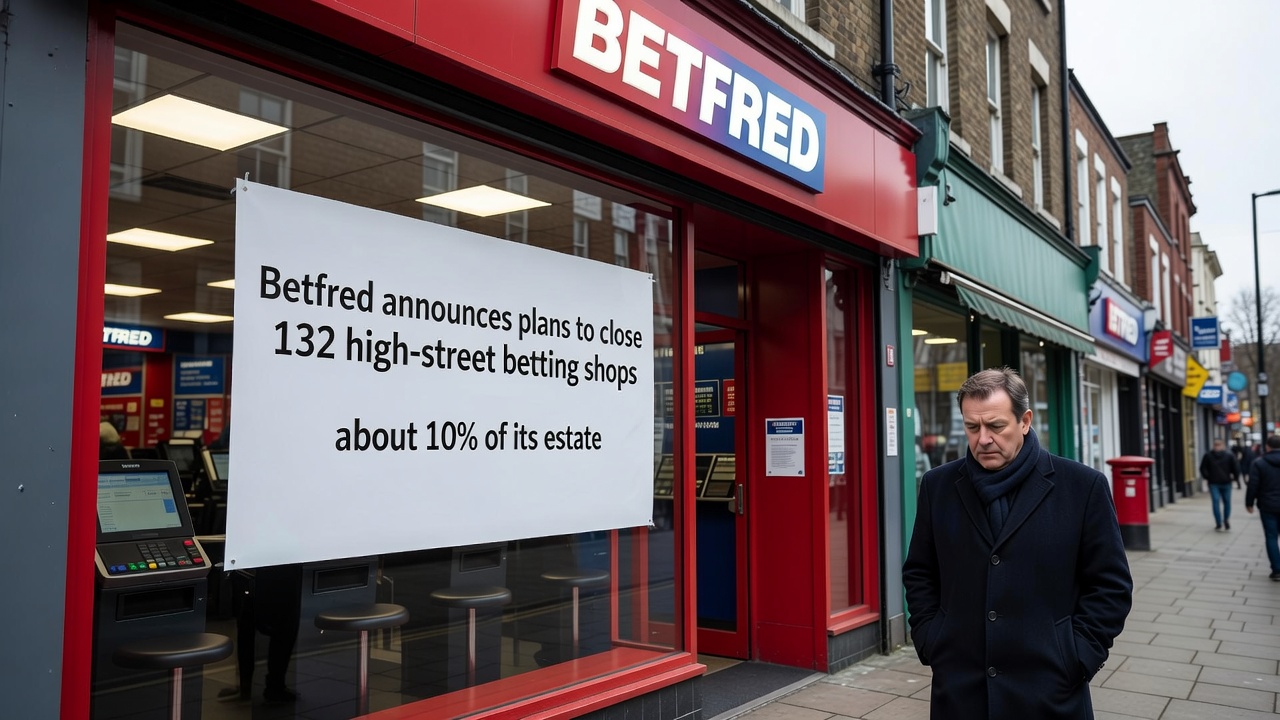
Remote Gaming Duty rises to 21% on online casino and slots gross profits, while General Betting Duty hits 15% for fixed-odds sportsbooks, adding millions to operator bills and sparking shop closures or digital pivots already underway; these hikes fund treatment programs via a statutory levy, with projections estimating £900 million annually for GambleAware and similar initiatives tackling the 2.5 million moderate-risk gamblers identified in recent surveys.
Operators pivot nimbly, trimming free bet volumes on weekend warriors' accumulators yet boosting loyalty schemes for high-volume horse racing backers; turns out, international firms absorb some costs through efficiencies, maintaining competitive Premier League lines while UK-focused players benefit from stabilized markets less prone to black market drifts.
Experts who've modeled this observe that while short-term revenues dip 5-10%, long-term sustainability grows as safer environments attract mainstream audiences wary of scandal-plagued sectors.
Broader Impacts: Safer Gambling Meets Sports Betting Evolution
Sports betting stands at the crossroads, with reforms enhancing protections like mandatory breaks after hour-long sessions or friction on reverse withdrawals, all while operators roll out AI-flagged interventions during high-stakes events such as Euro 2028 qualifiers; consumer data portals, now compulsory, let punters track spends across soccer, speedway, and slots in one dashboard, empowering choices that research links to 35% fewer complaints.
Take the case of a mid-tier bookmaker who previewed these changes: they saw session times shorten but satisfaction scores climb 12%, proving that guardrails don't kill the buzz—they refine it for football fever and Festival flurries alike; although promotions thin out, value hunts intensify around prop bets on player goals or race finishes, where keen eyes spot edges untouched by regs.
Now, with problem gambling hotlines busier than ever amid economic squeezes, these April 2026 pillars—checks, bans, limits, taxes—signal a maturing industry where entertainment thrives responsibly, observers note, drawing in families of casual fans who once steered clear.
Conclusion
The UK Gambling Commission's April 2026 reforms mark a pivotal recalibration, weaving affordability checks, bonus purity, slot restraints, and fiscal pressures into a framework that safeguards punters across sports betting's vibrant arenas from Premier League pitches to racing ovals; operators adapt with sharper odds, fortified protections, and innovative perks, ensuring the pulse of UK gambling beats on safely amid data-backed efforts to tame problem play. As implementation nears, those in the know watch how these changes not only mitigate risks but redefine choices for millions, balancing thrill with tomorrow's well-being in a landscape that's anything but static.