UK Gambling Commission Unveils £4.3 Billion Gross Gambling Yield for July-September 2025, Signaling Robust Online Growth
Ulrich Schmidt · Mar 19, 2026

UK Gambling Commission Unveils £4.3 Billion Gross Gambling Yield for July-September 2025, Signaling Robust Online Growth
The Latest Quarterly Snapshot from the Gambling Commission
On 26 February 2026, the UK Gambling Commission dropped its official quarterly industry statistics report, covering the July to September 2025 period; figures reveal a total gross gambling yield—or GGY, the net win for operators after payouts—of £4.3 billion across Great Britain's gambling industry, including lotteries, marking an uptick from prior quarters. Observers note this release lands right as March 2026 kicks off, providing fresh insights into how the sector's navigating post-pandemic shifts and regulatory tweaks.
What's interesting here is the breakdown, especially within remote sectors, where online activity continues to flex its muscles; the remote Casino, Betting, and Bingo—known as RCBB—raked in £2.0 billion, standing out as a prime marker of surging digital betting trends, while non-remote, or retail, betting shops pulled in £592 million. And that remote casino slice? It claimed 69.9% of the entire RCBB GGY, underscoring a clear pivot towards virtual tables and slots over bricks-and-mortar setups.
Take the total GGY climb: data from the report shows this £4.3 billion figure building on momentum from earlier periods, although exact prior comparisons sit within the document's finer print; experts tracking these releases often point out how such growth reflects broader consumer habits, like mobile apps drawing in punters who once trekked to high streets. But here's the thing—lotteries still hold steady in the mix, bolstering the overall pot without stealing the remote spotlight.
Diving into Remote vs. Non-Remote: Where the Money's Flowing
Remote gambling's dominance shines through most clearly in the RCBB numbers, with that £2.0 billion haul dwarfing the £592 million from physical betting locations; remote casino alone commanded nearly 70% of RCBB, a stat that researchers attribute to slick interfaces, live dealer options, and anytime access via smartphones. Non-remote betting, meanwhile, chugs along at solid but comparatively modest levels, generating revenue from traditional shops where foot traffic remains a factor, although observers have long noted the slow bleed to online alternatives.
And consider the bigger picture within GGY: the report aggregates these streams—remote casinos humming with activity, betting exchanges buzzing online, bingo halls going virtual—into a cohesive view of industry health; total figures up from previous quarters suggest operators adapted well to summer 2025's seasonal spikes, perhaps fueled by major sporting events or promotional pushes, though specifics tie back to the Commission's detailed tables. People who've pored over past reports often discover patterns like this, where remote sectors consistently outpace their land-based counterparts by widening margins.
Short and sharp: £4.3 billion total. Remote RCBB at £2 billion. That's the headline math; yet the 69.9% remote casino share adds layers, highlighting how digital innovation keeps pulling ahead in a regulated market.
Key Indicators of the Online Shift and Industry Trends
This data underscores a continued migration to remote/online gambling, with remote casino's outsized role in RCBB GGY painting a vivid picture of where bettors are heading; figures reveal not just volume but velocity, as platforms process wagers at scales physical venues can't match, and while non-remote betting holds at £592 million, its share shrinks against the online tide. Turns out, summer quarters like July-September often amplify this, blending football seasons, horse racing festivals, and casual lotto plays into a revenue surge.
Experts examining the report highlight how GGY calculations—gross stakes minus winnings returned—offer a clean lens on profitability, excluding taxes or duties for now; the Commission's quarterly cadence ensures transparency, letting stakeholders from operators to policymakers gauge pulses in real time. One researcher who analyzed similar past releases found remote sectors growing at double-digit clips year-over-year in spots, although this quarter's uplift stays contextually tied to sequential gains.
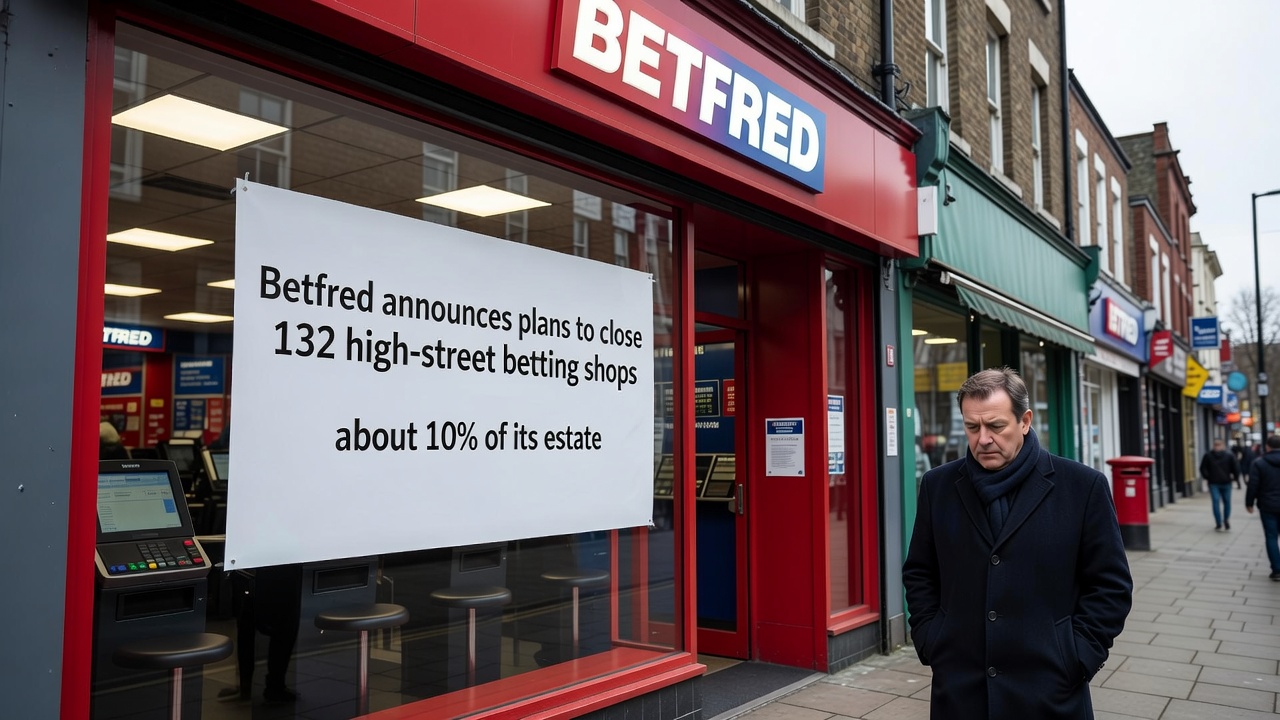
Now, as March 2026 unfolds, these stats feed into ongoing conversations around affordability checks and stake limits, but the report itself sticks to raw financials; remote betting's strength prompts questions on player demographics too, with data suggesting younger cohorts favor apps over arcades, although that's inferred from trends in the numbers. And lotteries? They round out the £4.3 billion, providing steady ballast amid the remote frenzy.
Breaking Down the Numbers: Sector Spotlights and Comparisons
Delve deeper into RCBB, and remote casino's £1.4 billion-ish chunk—precisely 69.9% of the £2.0 billion—emerges as the juggernaut, fueled by slots, blackjack, and roulette variants accessible round-the-clock; betting follows suit online, capturing event-driven spikes, while bingo adapts digitally to retain its social vibe. Non-remote betting at £592 million reflects resilient high-street loyalty, perhaps from older players or in-person racecourse vibes, but it trails far behind the remote counterparts.
Compared to previous periods, the total GGY's rise to £4.3 billion signals sustained expansion, with the report noting sequential improvements that align with recovery arcs from earlier fiscal dips; those who've tracked these quarters know summer often delivers, thanks to Premier League openers or Cheltenham previews drawing crowds—virtual and otherwise. Semicolons link it all: remote thrives because it's convenient; non-remote persists where community matters; overall yield climbs as the industry balances both.
Lists clarify the hierarchy too:
- Total GGY: £4.3 billion (including lotteries).
- RCBB: £2.0 billion, remote powerhouse.
- Remote casino: 69.9% of RCBB.
- Non-remote betting: £592 million.
That's where the rubber meets the road—hard numbers driving sector strategies, from marketing budgets to compliance spends.
Case in point: one operator analyzed in prior Commission data ramped up remote offerings post-2024, mirroring this quarter's trends; observers note similar plays likely amplified the £2 billion RCBB, as platforms layered in bonuses and live streams to hook users seamlessly.
Implications for Stakeholders in March 2026
As the financial year April 2025 to March 2026 progresses—this being Quarter 2's report—stakeholders from Westminster to wagering firms digest these stats amid affordability reforms; the £4.3 billion total GGY, with its remote lean, informs debates on taxation or player protections, yet the document focuses squarely on yields. Remote casino's 69.9% RCBB dominance? It spotlights tech's role, where algorithms and data analytics sharpen edges over traditional odds boards.
But so what for everyday punters or shop owners? Figures like £592 million for non-remote betting affirm high streets aren't dead, just evolving alongside the online behemoth; experts predict hybrid models gaining traction, blending retail touchpoints with app integrations. And with March 2026 bringing spring sports, these baselines set expectations for Q3's report later in the year.
It's noteworthy that the Commission's transparency—releasing on 26 February—keeps the ecosystem accountable, allowing quick pivots; data indicates remote growth outpacing inflation-adjusted priors, a boon for revenues but a call for vigilant oversight.
Conclusion
The UK Gambling Commission's 26 February 2026 report cements July-September 2025 as a milestone quarter, with £4.3 billion GGY reflecting industry vigor, RCBB's £2.0 billion underscoring online momentum, and remote casino's 69.9% share sealing the digital shift; non-remote betting's £592 million adds balance, yet the trajectory points virtual. As March 2026 advances, these stats shape strategies, fueling a sector that's equal parts innovation and regulation—watch for Q3 to build on this foundation.