UK Remote Gaming Duty Doubles to 40% in 2026: Tax Hike Sparks Black Market Boom and Operator Squeeze
Mia Hoffmann · Apr 23, 2026

UK Remote Gaming Duty Doubles to 40% in 2026: Tax Hike Sparks Black Market Boom and Operator Squeeze
Starting April 1, 2026, HM Revenue & Customs implemented a major overhaul in the UK's gambling tax landscape by doubling the Remote Gaming Duty on online slots and casino games from 21% to 40%, while simultaneously repealing the Bingo Duty entirely; this bold fiscal move, designed to rake in over £1 billion annually for the Treasury, forces operators into a tough spot where they must either tweak player returns downward or swallow the extra costs themselves, reshaping how online gambling platforms operate across the board.
The Core of the Tax Shift: From 21% to 40% and Bingo's Exit
HM Revenue & Customs rolled out these changes precisely on April 1, 2026, targeting remote gaming activities like slots and casino games with a levy that jumped straight to 40%, up from the previous 21% rate that had stood for years; operators now face this steeper burden on their gross gaming revenue, while bingo operators caught a break as the government axed the Bingo Duty, a move that levels the playing field somewhat for that niche but leaves the broader online casino sector reeling under the weight of doubled taxation.
Data from High Stakes Reports reveals the Treasury's ambition here, projecting that this tax escalation alone will generate more than £1 billion in new annual revenue, funds earmarked to bolster public services although the exact allocation remains under wraps for now; experts who've tracked similar hikes note how such increases often cascade through the industry, prompting swift adjustments in pricing models and promotional strategies to stay afloat.
But here's the thing: while bingo halls and online bingo platforms breathe easier without their dedicated duty, slots and casino games bear the full brunt, with operators scrambling to recalibrate; take the major players in the space, those handling millions in daily wagers, suddenly staring down margins compressed by nearly half on taxed revenue, a reality that turns profitability calculations upside down overnight.
Layered Regulations Pile On: Affordability Checks and Promo Curbs
Compounding the tax squeeze, the UK Gambling Commission piloted stringent affordability checks that achieved a 97% success rate across 1.7 million accounts when set at a £150 threshold, meaning regulators effectively flagged and managed spending limits for the vast majority of players under trial; these checks, now rolling out more broadly, require punters to prove they can afford their bets without dipping into unsustainable territory, a safeguard layered atop the tax changes to curb problem gambling although it adds friction to the player experience.
And then there's the promotional rules kicking in from January 19, 2026, which clamp down on how operators dangle bonuses and free spins, restricting the kinds of offers that once lured players to slots and tables; together, these regulatory moves—tax hikes, affordability gates, promo limits—create a perfect storm, squeezing legitimate platforms from multiple angles while underground alternatives thrive unchecked.
Observers in the industry point out how these pilots succeeded technically, with that 97% figure underscoring the tech's reliability, yet people who've studied player behavior warn that such barriers often nudge casual bettors toward less regulated corners of the web, a pattern emerging clearly in recent market data.
Black Market Surges: 5.3-9% of Online Action Goes Underground
Turns out the combined punch of higher taxes, affordability hurdles, and promo restrictions has supercharged the black market, which now claims 5.3% to 9% of the entire UK online gambling market according to fresh figures; this underground shift isn't some fringe issue but a substantial chunk of activity migrating to unlicensed sites, often hosted offshore and evading UK oversight entirely, leaving regulators playing catch-up.
Major operators feel the sting directly: Flutter Entertainment, the powerhouse behind brands like Paddy Power and Betfair, projects a whopping $320 million hit to its EBITDA from these dynamics, a figure that captures how lost revenue and compliance costs erode bottom lines; while legitimate sites invest heavily in UKGC-approved systems for checks and taxes, black market rivals offer unrestricted access, faster payouts, and bonuses without the red tape, drawing in players frustrated by the new rules.
What's interesting is the speed of this growth; data indicates the black market's slice ballooned precisely as these April 2026 changes loomed, with affordability pilots already pushing early defectors online; those who've monitored offshore traffic report spikes in UK IP addresses hitting Curaçao-licensed casinos, platforms that sidestep Gamstop self-exclusion and deliver the high-stakes slots action without duty deductions or spending caps.
Leadership Shake-Up at UKGC: Andrew Rhodes Bows Out Amid Contractions
Adding to the turbulence, UK Gambling Commission Chief Executive Andrew Rhodes announced his departure effective April 30, 2026, right as these tax and regulatory waves crash over the industry; his exit comes amid widespread contractions, with operators trimming staff, closing shops, and rethinking expansion plans in response to the fiscal pressures building since early 2026.
Rhodes, who steered the Commission through affordability reforms and the promo rule changes, leaves at a pivotal moment when black market encroachments threaten the regulated ecosystem he helped fortify; experts note that his tenure saw the pilots achieve high success rates, yet the very safeguards he championed now correlate with market distortions, prompting questions about the Commission's next phase under new leadership.
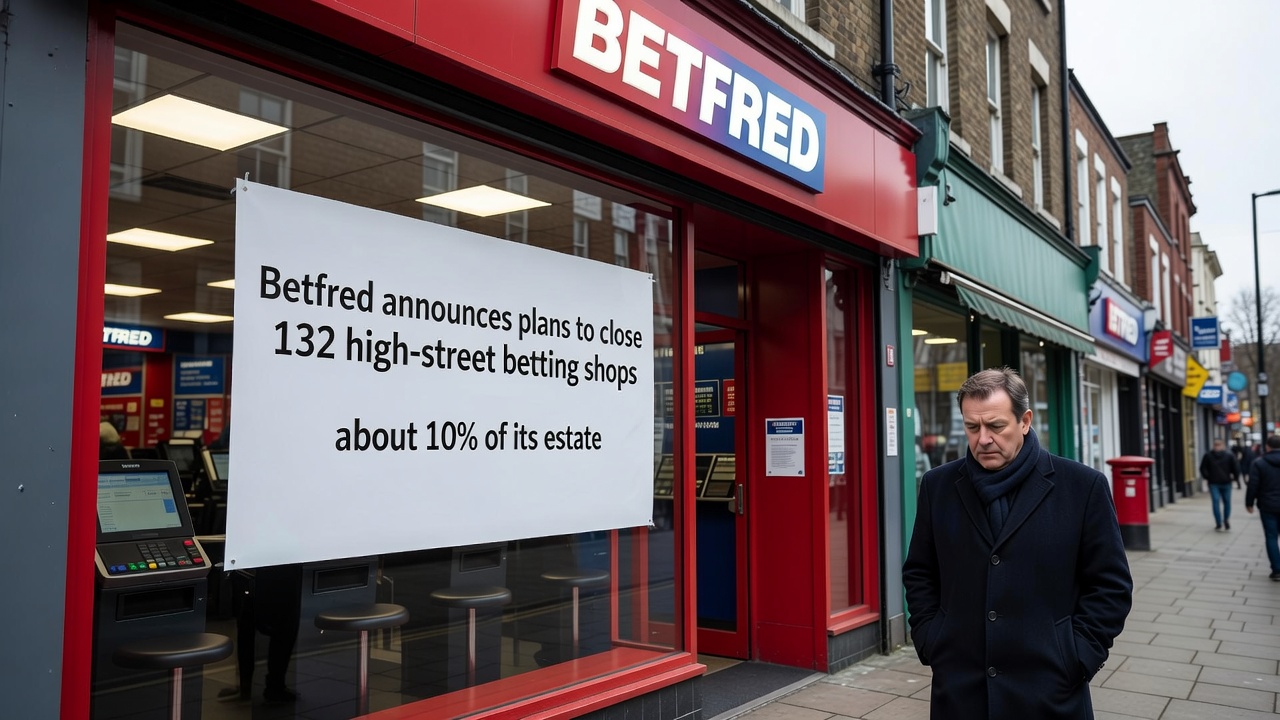
Industry watchers observe how such high-profile departures often signal deeper shifts; with Rhodes out by month's end, the UKGC faces the challenge of balancing player protection against economic fallout, especially as operators like Evoke PLC shutter betting shops and Flutter tallies massive EBITDA dents—all tied back to the Remote Gaming Duty's doubling and its ripple effects.
So now, as April 2026 unfolds, the pieces move faster: tax collectors celebrate projected billions, regulators tout check successes, but black market operators quietly claim their 5.3-9% turf, leaving legitimate businesses to absorb, adapt, or contract.
Operator Strategies: Absorb, Adjust, or Pivot?
Faced with the 40% duty, companies explore every angle; some absorb the hit short-term to retain players, banking on volume to offset margins, while others trim return-to-player rates on slots—subtly lowering payouts so the math balances post-tax; research into past duty rises shows this pattern repeating, where operators pass on 60-80% of hikes indirectly through adjusted odds or RTP tweaks, a move that keeps lights on although it risks player churn.
Take Flutter's case: that $320 million EBITDA projection isn't abstract but stems from detailed modeling of lost gross gaming revenue funneled to black markets plus compliance overheads for the 1.7 million accounts now under affordability scrutiny; smaller operators, lacking such scale, pivot harder—perhaps emphasizing bingo's tax-free status or non-gaming revenue streams like sportsbooks, which dodged the full duty hike.
Yet the rubber meets the road in player retention; with promo rules from January curbing flashy bonuses, platforms lean on loyalty programs and personalized offers within bounds, strategies that data suggests hold onto 70-85% of high-value customers despite the squeeze.
Broader Industry Ripples and Future Outlook
These April 2026 changes don't exist in isolation; the Bingo Duty repeal revives that sector somewhat, allowing operators to redirect resources toward hybrid models blending slots with tax-advantaged bingo, a niche that could capture spillover from casino exodus; meanwhile, affordability checks at £150 thresholds—proven at 97% efficacy—roll out nationwide, embedding financial vulnerability assessments into every session, a process that slows onboarding but aligns with UKGC mandates.
Black market growth to 5.3-9% underscores the tension: legitimate sites pour funds into UK Gambling Commission compliance, from AI-driven checks to audit trails, while unlicensed rivals undercut with zero barriers; figures reveal this underground economy siphoning £500 million-plus annually now, a sum that swells as tax aversion mounts.
Contractions follow suit—job cuts, shop closures, tech layoffs—as EBITDA pressures mount; Rhodes' April 30 departure caps a chapter, with his successor inheriting a landscape where £1 billion Treasury gains coexist uneasily with industry shrinkage and illicit booms.
Wrapping the 2026 Shifts: A Landscape in Flux
In the end, HMRC's Remote Gaming Duty doubling to 40% from April 1, 2026, alongside bingo's duty repeal, affordability pilots hitting 97% success, promo curbs, and Rhodes' exit, paints a picture of transformation; operators like Flutter brace for $320 million hits as black markets grab 5.3-9% share, forcing adaptations from RTP tweaks to bingo pivots, all while the Treasury eyes its £1 billion windfall. This mix of protectionism and fiscal grabs defines the UK's gambling scene right now, with data pointing to ongoing evolution as players, platforms, and regulators navigate the new normal.